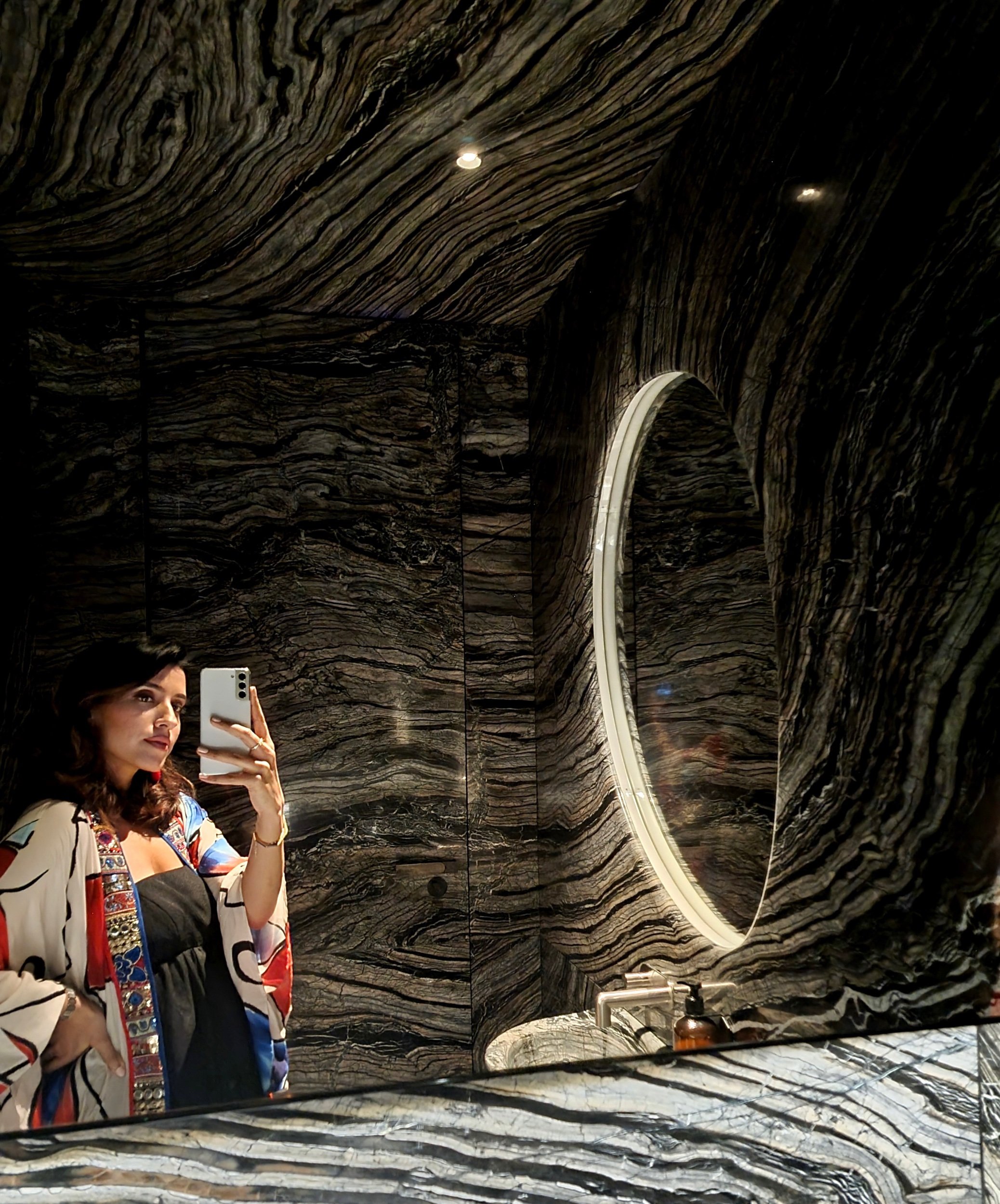
Legacy building beyond wealth: what Vienna’s stillness, ritual and inherited memory teach us about true discernment
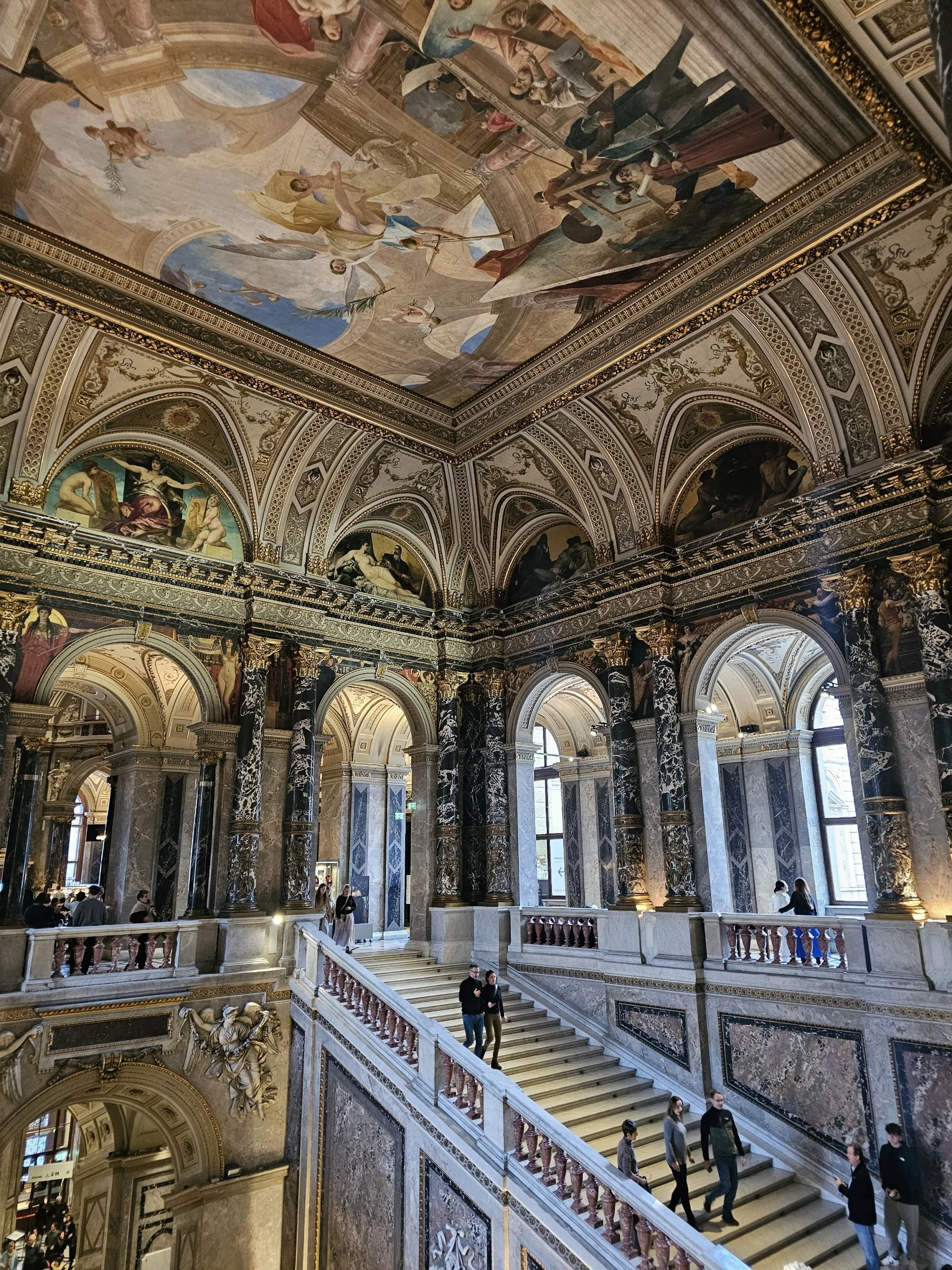
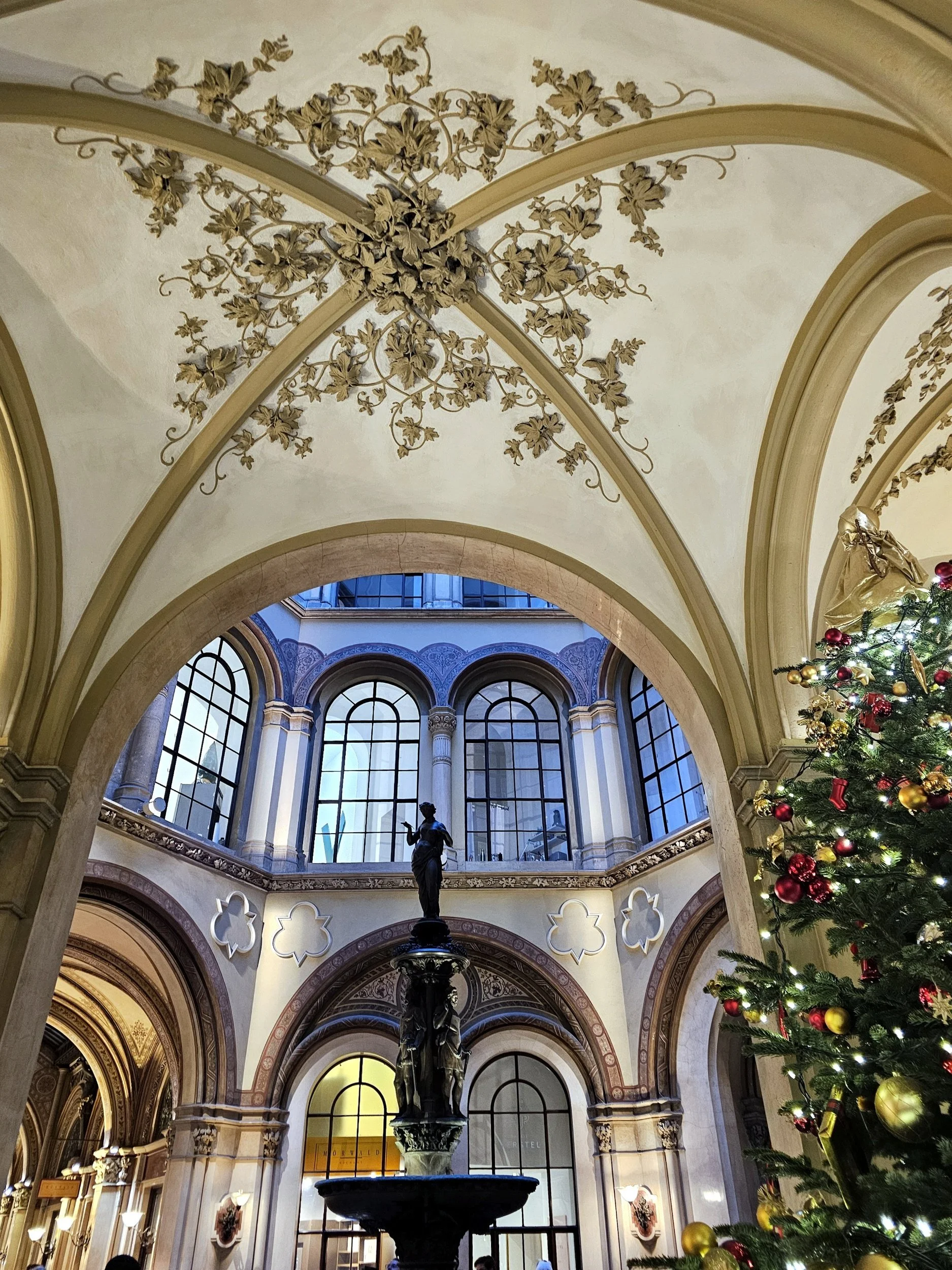
There was something about Vienna which instantly made me think of the concept of legacy and what it truly means to build one. Or if your family have already embarked on legacy creation, what it means to sustain it in today’s world. In this respect Vienna is a masterclass, in both taste and sovereignty. This imperial city is a quiet reminder not just of a bygone time, but an example of what is worth building in a culture which is very transient. And in a world where people increasingly wonder how to build a legacy that lasts beyond wealth, Vienna demonstrates that endurance often comes from depth, meaning and having a larger than life sense of purpose and vision.
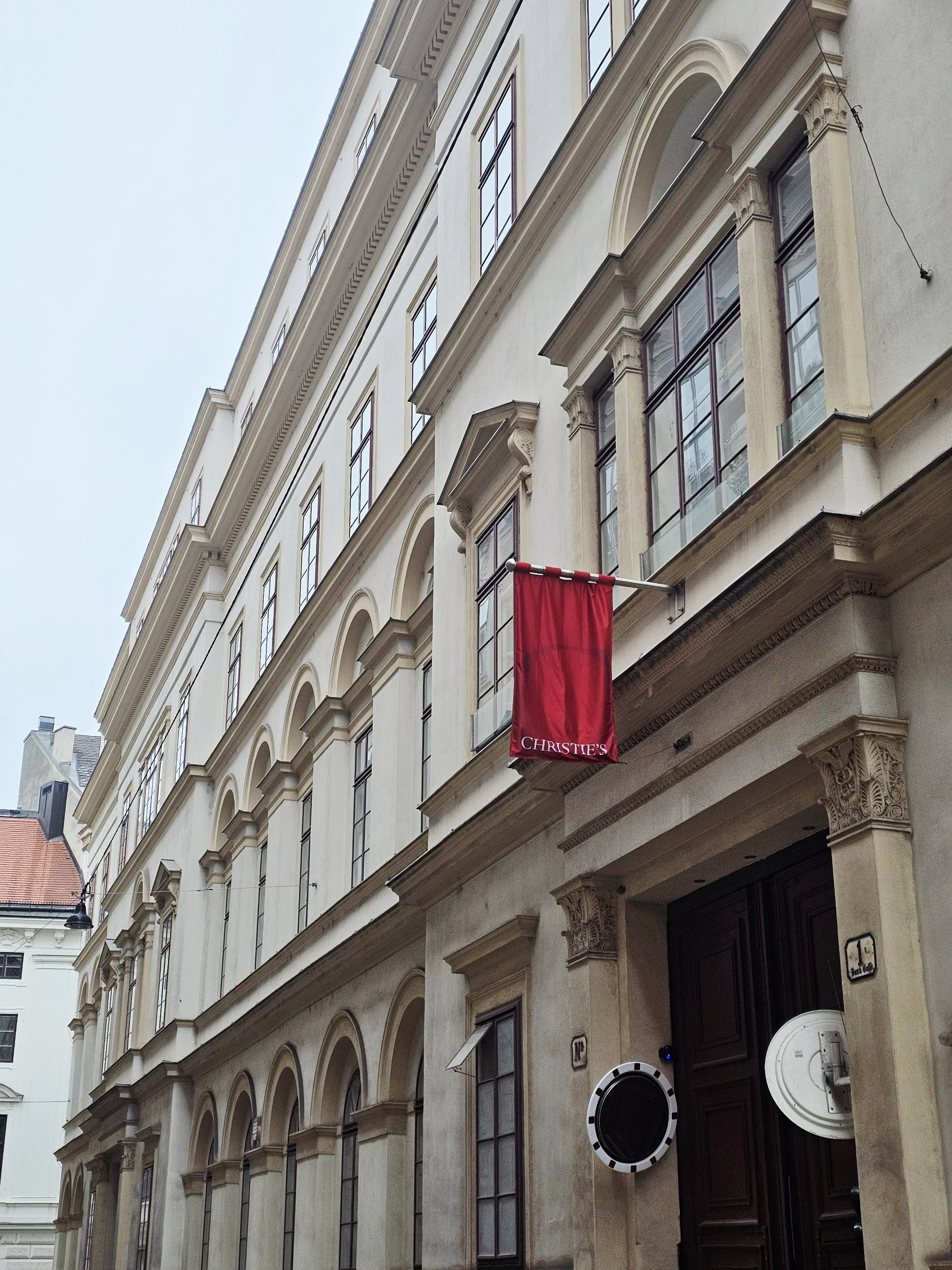
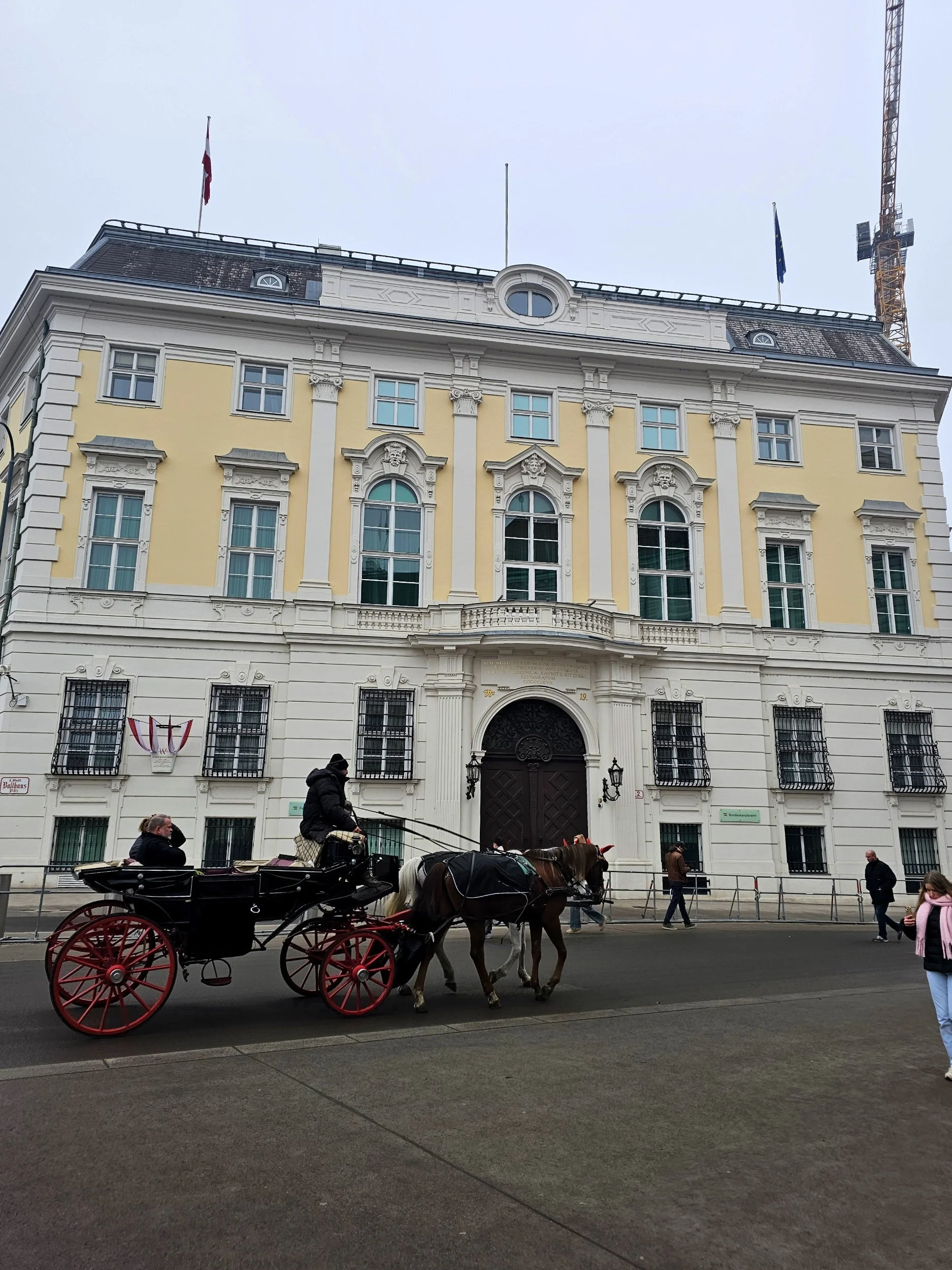
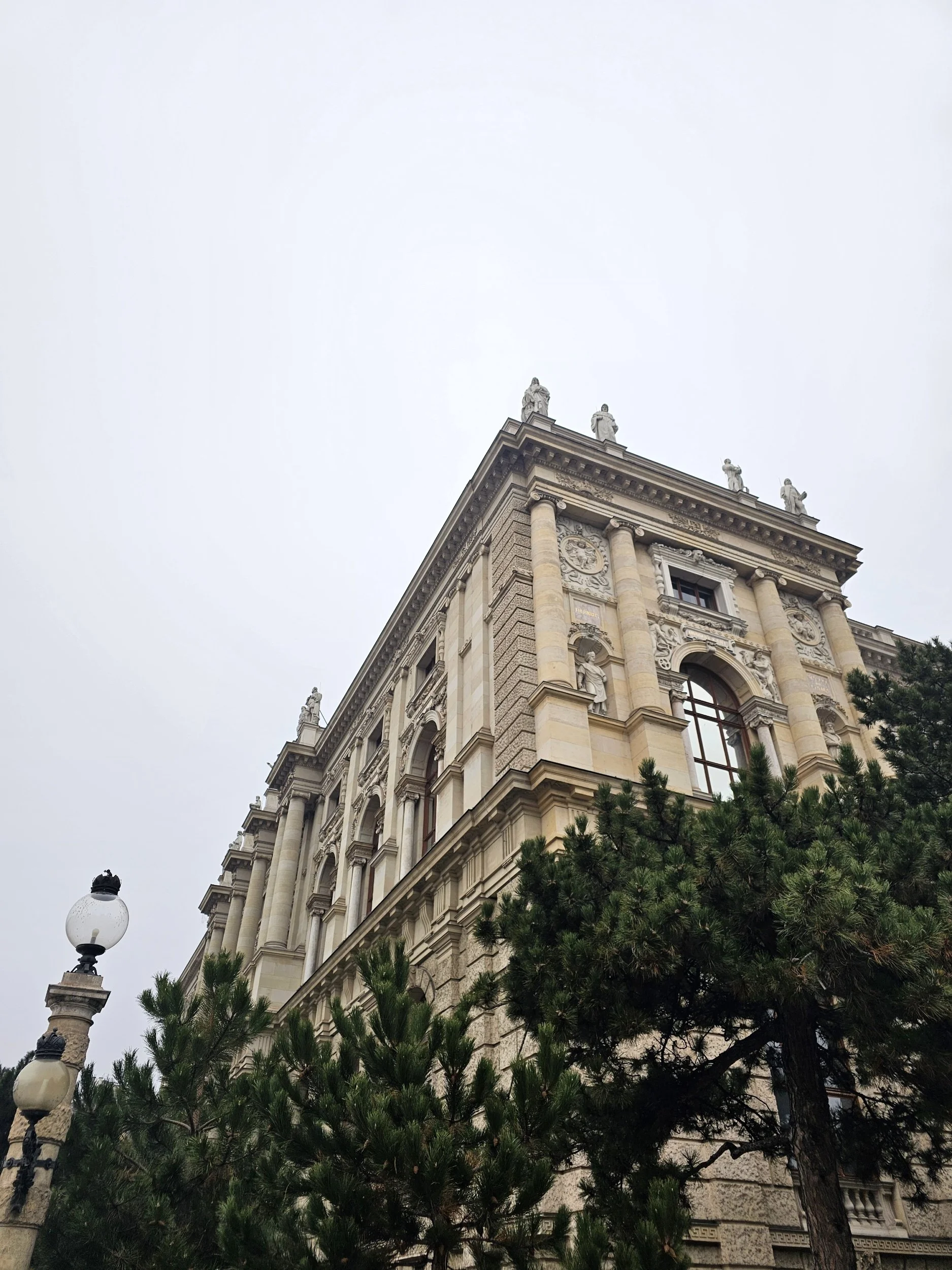
It lives with the afterglow of an empire it no longer governs. Its past is still visible in its architecture, culture and the way the city holds itself. It’s still magical to visit with a sense of discovery and wonder lingering in the air. Yet, today it no longer occupies the economic or political centre it once commanded. To many this might place Vienna in the category of a ‘bygone era,’ a place once remembered well, as opposed to still leading and thriving on the world stage.
And yet, the city’s strength comes precisely from this inheritance. Freed from the pressures of being a modern powerhouse, Vienna has been able to preserve the cultural depth, emotional steadiness and ritual continuity that once held an empire together. What remains is a different kind of capital: a civilisation shaped by an intentional legacy rather than trends and momentum.
Needless to say, the pace of progress is accelerating pretty spectacularly, leaving people to grapple with the current climate alongside the very real fear of being ‘left behind’. However, there are those on the other side who instead of trying to bend or change their roots, are using this transition to reconcile the past and future, not out of protest of change, but from a desire to elevate.
To elevate is not quite what it seems. In the literal sense it might be to ‘rise above’, but its consequence and true sense of the word, elevation is to do with discernment, selectivity, exclusivity, precision and above all else, refinement. To discern is quite easily becoming the new competitive advantage in a world which is becoming increasingly smaller and has a structural breakdown of the cost to value ratio. Substance, depth and careful selection are just a few of the traits which still separate those who will go on to thrive, and dare I say, even enjoy, this new world order currently underway.
In a world that measures value through speed, scale and innovation, Vienna offers something rarer – a stable rhythm, an intact cultural identity and a sense of sovereignty that many faster-moving societies lack. Its legacy shows that influence doesn’t always come from economic dominance; sometimes it comes from the emotional and cultural infrastructure that helps a society recognise itself over time.
Whilst reflecting on Vienna’s role in legacy creation, there are two considerations that raced to the forefront:
The psychology of stillness
Inherited memory
How are these concepts used as tools to build a legacy, and how does this apply to those of us looking to sustain our own inheritance? Lets begin…
The psychology of stillness
Vienna moves at a pace that feels out of place in the modern world, and yet it is precisely this slowness, charm and grandeur that gives the city its quiet authority and high appeal. Stillness denotes a sense of knowing and confidence which doesn’t necessarily come about from clarity, because clarity often emerges through action. But instead, this sense of knowing and confidence stems from fortitude of character, which is built and trained. It is in slow environments that we begin to understand how stillness improves clarity and decision-making, revealing insights that urgency often conceals.
Stillness as a sovereignty mechanism
Stillness is power-preserving. It protects cognitive bandwidth in a world that demands constant reaction; it acts as a countermeasure to attention economies where everything is competing and self-validating. Vienna embodies this instinctive refusal to be pulled in every direction like most fast paced cosmopolitan cities are. Its pace shields you from the current unpredictable environments that reward urgency but erode discernment. In this sense, stillness is a quiet assertion of sovereignty over what you allow to shape your inner life, which then spills over to what you may go on to achieve. And it is in these conditions that people begin to realise why discernment is the most important skill today.
2. Stillness as an identity
Cultures use pace to sculpt personality, and Vienna’s unhurried rhythm forms a particular kind of identity, one marked by gentleness and dignity. The city doesn’t indulge restlessness; it exposes it. When the surrounding world refuses to rush, you’re left to notice the acceleration you’ve internalised and how much of your pace is inherited rather than chosen. Stillness becomes a subtle intervention, the moment when you see who you are when no one is watching. And it is this emotional refinement, not intellect, that becomes the foundation of taste, shaping how we perceive and choose things – which is the foundation of tastemaking.
3. Stillness as a success trigger
We know that the modern world offers no natural pauses. Corporate landscapes rebuild themselves every quarter, ambition pushes to prove its worth before it has even formed fully and our plans are revised before they are lived. In such an environment, slowness becomes a rare strategic advantage. Long-term vision is never born in urgency or with information overload; it forms in the unpressured spaces where thought can stretch, settle and take shape. Low-stimulus environments create the clarity that high-stimulus environments steal, and Vienna personifies how ambition can be recalibrated, and where your own sense of direction may reveal itself only when you finally stop sprinting.
Inherited memory
Inherited memory matters because wealth on its own does not know how to behave. It is when we create reference points, assign value and create the story, do we protect our legacy from being diluted and misdirected. Legacy beyond wealth first and foremost depends on judgement rather than accumulation of assets. Inherited memory acts as the bridge for continuity: it carries context, values and lessons across generations, ensuring what is built is not only preserved, but can endure and be understood exactly how you want it to be. Ultimately, this is where true power and influence resides; in the ability to shape perspectives.
Rituals as infrastructure
Whilst in recent times traditions can be deemed archaic, they do in fact function as a societal operating system. In practice this can mean reducing chaos by creating predictable cycles, anchoring collective behaviour through repetition, and providing continuity in a world that constantly asks us to reinvent ourselves.
Additionally, rituals regulate the emotional state of a population, giving people a shared sequence of events that softens constant change and unpredictability by anchoring everyday life. When emotional life becomes steadier, collective behaviour becomes steadier too and stability is the precondition of long-term preservation of whatever a community values be it cultural, familial or material. In this light, traditions that might seem outdated from the outside reveal themselves as civilizational tools: subtle mechanisms that protect consistency, reduce social drift and keep a culture aligned with itself across time.
2. Inherited memory as a hierarchy
For those of us inclined, lineage matters; not because of birth, but because inherited ways of seeing the world produce stability, taste and discernment. Cultures with strong traditions create more confident individuals because they grow up with a sense of direction’ an internal map of meaning that doesn’t readily collapse. And once that internal sense of direction and purpose exists, it naturally extends outward, shaping how memory is carried, shared and recognised between generations.
Memory acts as a form of social capital, meaning, it anchors behaviour across generations which allows us to move through the world with a profound sense of meaning. It also enlivens responsibility, otherwise seen to be heavy and laden with duty, by providing context to help us understand who we are, how we got here and where we are going.
Further, inheritance without philosophy destroys families and slowly unravels what it tries to preserve. When people receive things they were never taught how to understand – money, property, responsibility, even a family name – the weight of it eventually turns into confusion. Each generation pulls in a different direction, decisions become reactive instead of rooted, and what was built over decades dissolves far quicker than one might expect.
3. The emotional architecture of belonging
Rituals make us feel anchored because they connect us to something transcendental, and in the process allow us to feel our lives are part of something meaningful. Societies without rituals might feel free and progressive, but can equally be dislocated. When we don’t have a higher purpose to belong to, character deteriorates and qualities such as hypocrisy, arrogance, selfishness and lack of integrity emerge.
When we question why refined character matters so much, there are many justifications I can present for the rational mind. But the reality is much more simple – it is in part our nature to want to aspire to greatness, and greatness is intrinsically associated with a refined set of attributes because of how they enable us to conduct ourselves in the world and with those around us.
The foundation of an enduring legacy
In the end, Vienna reminds us that the foundations of an enduring legacy are rarely loud. They are built through continuity, through an identity that doesn’t collapse under pressure, and through the virtues that modern life often sidelines: stillness, ritual, memory, coherence. The city teaches us that legacy building beyond wealth is less about accumulation and more about the inner architecture that shapes how we think, choose and live.
To build something that lasts, whether a life, a family, a body of work, or a philosophy, we need the depth that comes from emotional refinement, the clarity that arises in stillness, and the cultural continuity that helps us recognise ourselves across changing seasons. Vienna shows that what truly endures is not the impulse to rush ahead, but the discipline to stay aligned with what matters.
And perhaps that is the real inheritance we are meant to cultivate: a way of seeing and being that outlives circumstance - a legacy designed with intention, steadiness and discernment.
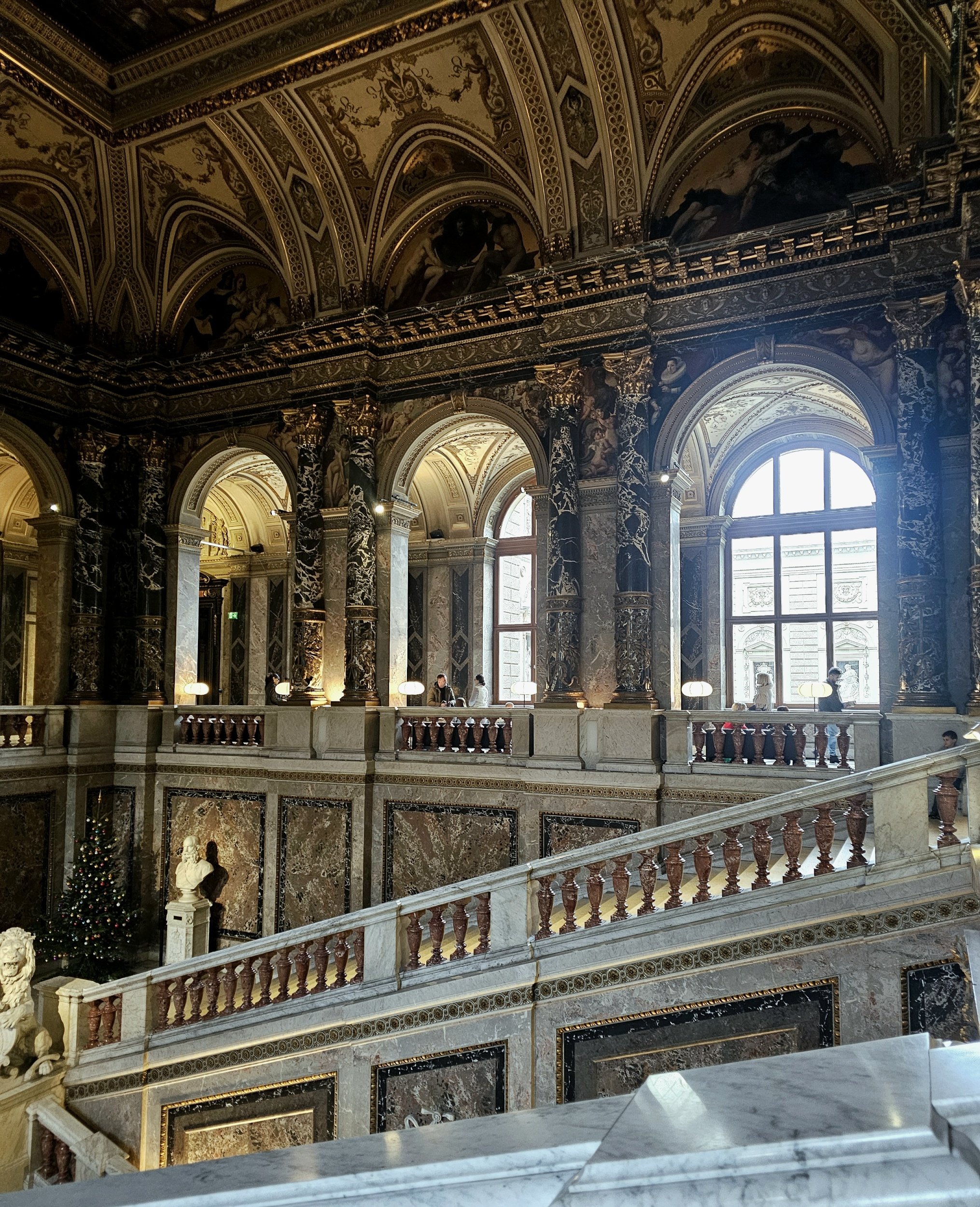
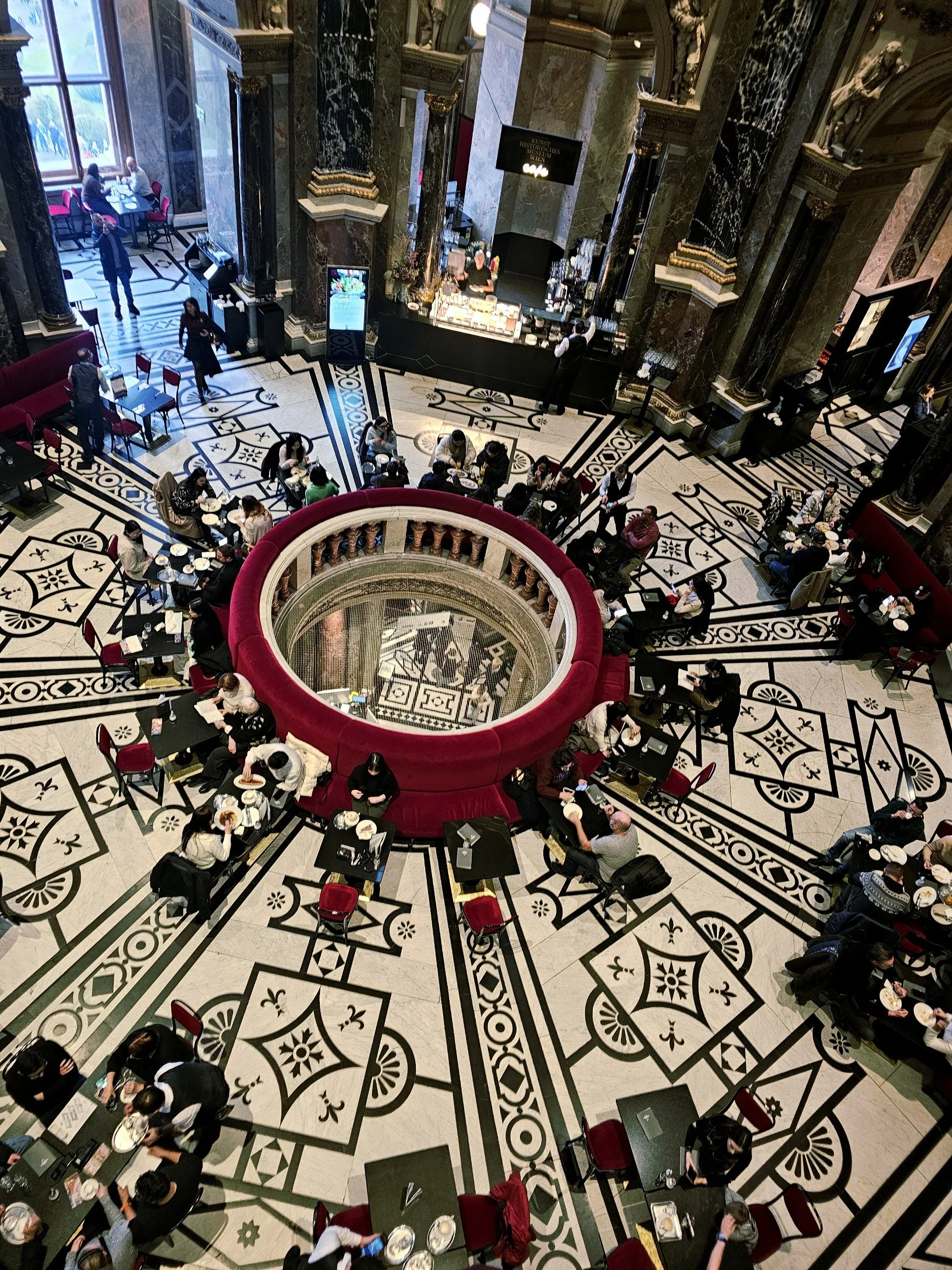
Introspections & reflections